Kilometers upon kilometers of pipeline
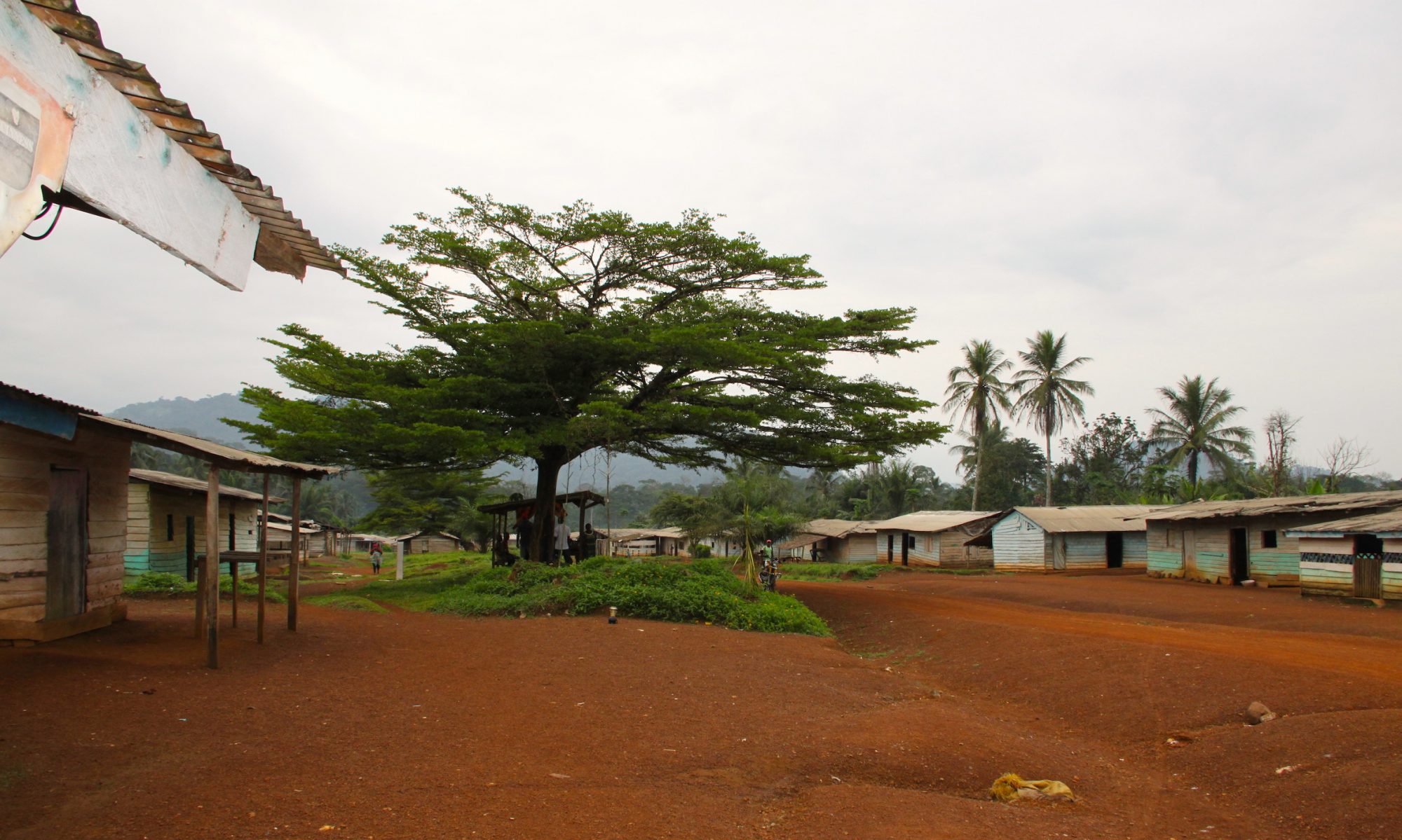
With the completion of the Likomba water project, the community now has an extensive water network featuring 34 public water points, over 12 kilometers of piping, and a 100,000-liter water reservoir. At the start of the project, only 10 percent of households used public water points; that figure has since risen to 98 percent. Daily water availability has also improved significantly—from 19 percent at the outset to 97 percent in 2026—as shown by an independent impact assessment conducted in August of this year. Constructing the water system was the core component of the project, involving the creation of 25 new water points and the renovation of 9 existing ones. A network spanning 12,786 meters of pipeline now delivers water to various parts of the community.
More than just pipes and taps
During implementation, particular attention was paid to ensuring the long-term, effective management of the water supply. A well-functioning water system requires people who know how to maintain and manage it. To this end, fifteen board members received guidance on their roles and responsibilities. Four local water managers underwent practical training in maintenance, troubleshooting, and carrying out minor repairs. Additionally, two community members were appointed to manage the service office on a daily basis, handling tasks such as administration, financial record-keeping, and liaising with water users. Furthermore, eight volunteers—known as “Hygiene and Sanitation Soldiers”—have been engaged to provide education on hygiene and sanitation facilities. They encourage families to handle drinking water safely and to pay greater attention to hygiene in and around the home.
Less time spent fetching water
The improvements are also noticeable in the daily lives of families. Because water is available closer to home, women and children spend less time fetching it—time that can now be devoted to school, work, and other daily activities. Furthermore, the impact study shows that residents have become more involved in managing the water supply; the number of people willing to contribute to maintenance and repairs has risen from 18 to 78 percent. There is also a significantly higher level of awareness regarding local water managers and the governing body responsible. The improved water supply is accompanied by a greater focus on water treatment and hygiene. Sanitation facilities are also cleaner, offering increased safety and privacy. At the same time, the evaluation indicates that further improvements are still needed in this latter area.
Social business model
A key aspect of the project is the transfer of knowledge and responsibilities to a local organization. The board oversees management and finances, service office staff handle daily administration, and water managers are responsible for technical maintenance. The introduction of user fees is scheduled for the end of December 2026, and residents are currently being informed about this. These contributions are intended to cover daily operations, maintenance, and future repairs.
We remain involved
With the completion of the Likomba water project, access to clean drinking water has been significantly improved for thousands of families. The challenge for the coming years lies in ensuring that the system continues to function effectively and that the community remains truly capable of taking responsibility for its management. Further guidance and monitoring—covering technical, financial, and organizational aspects—are planned for the next three to five years. The final evaluation confirms that the project’s primary objectives have been met. At the same time, recommendations have been made to sustain these results; for instance, protecting the watershed is essential for ensuring future water availability. Consequently, planting trees, providing regular training for local managers, and conducting ongoing financial and technical oversight are identified as key follow-up steps. Furthermore, hygiene education must continue, as one-off training sessions are insufficient to ensure lasting behavioral change.
This project is an initiative of Humaniforest and was made financially possible by the Achmea Foundation, in collaboration with LiveBuild, Wilde Ganzen, and EARTH.