
Project managers often become concerned when community participation in project implementation is low. A deeper understanding of the community’s social dynamics can help manage this challenge more effectively. My advice is to develop at least a basic awareness of how the community responds to certain issues before embarking on full-scale implementation. Some factors, though they may seem minor to outsiders, carry significant weight in the daily life of the community and cannot be ignored. Let’s examine a few of them:
An Ailing Village Council
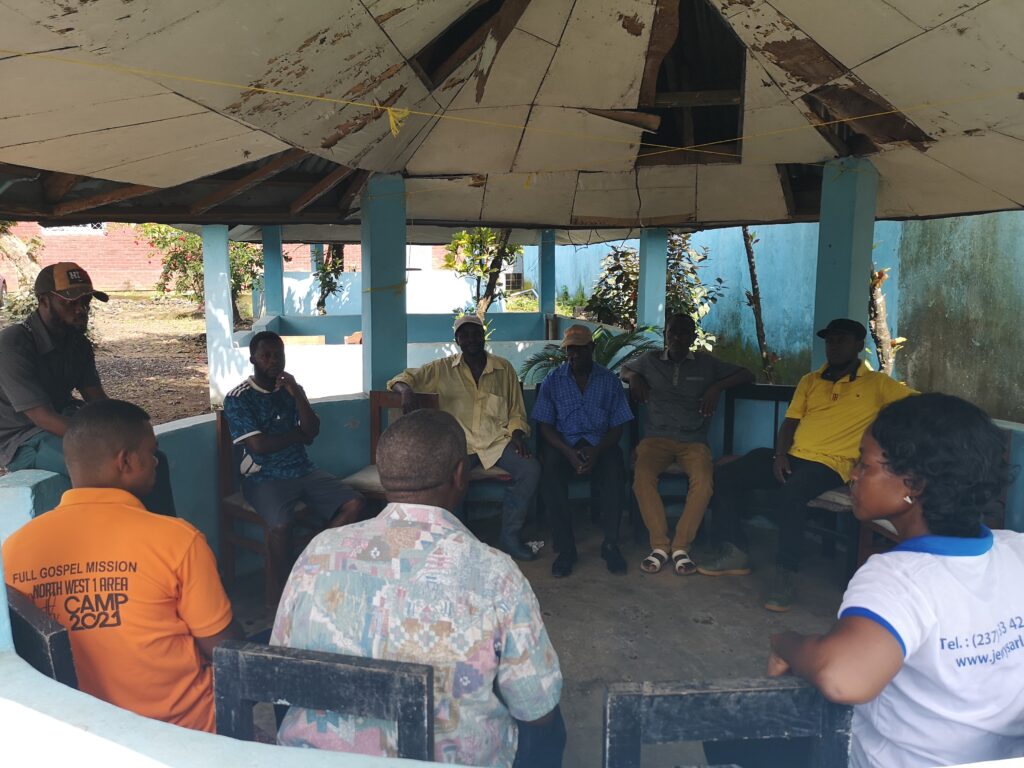
A village council perceived by its people as weak, due to biases, irresponsiveness, or corruption, holds little influence over community members. Such councils are often dominated by older men, with youth and women forming only a small minority and having limited decision-making power. An ineffective council lacks the authority to mobilize collective action or generate momentum for project activities. This creates a challenge for project managers, who must find alternative ways to engage the community and build trust to succeed.
Market Days
Market day is one of the most important events in village life, typically occurring once a week. It is a time for buying and selling, replenishing household supplies, and for many families, the only opportunity to earn income. Scheduling project activities on market days is rarely effective, as community members will prioritize the market over project engagements. In some cases, villages rely on markets in neighboring communities, making this day even more critical. Ignoring the significance of market days can undermine participation and weaken project outcomes.
Cultivating and Harvesting Periods
Farming is the backbone of rural livelihoods, and all other activities are planned around cultivation and harvesting cycles. During these periods, villagers devote most of their energy to farm work, as their survival depends on agricultural productivity. Project activities must therefore be scheduled with sensitivity to farming demands, avoiding disruption to essential agricultural tasks. In some communities, meetings are best held early in the morning (around 6 a.m.) or later in the evening (after 5 p.m.), when farm work is less demanding. Otherwise, turnout will remain low regardless of prior communication or reminders.
Weak Project Team
A project team composed of community members can play a vital role in sustaining focus and mobilizing participation. However, if the team is poorly constituted, it will fail to achieve its purpose. Effective team selection requires careful consideration of individuals’ credibility, influence, and ability to fulfill their roles. Rushing the process often results in weak teams that slow down project activities. Taking time to build a strong, representative, and motivated team is essential for ensuring community ownership and long-term success.
Village Conflicts
Community conflicts can significantly hinder project implementation. Understanding the dynamics between local leadership structures is essential for project managers. Below are common sources of conflict and their implications:
• Chief and His Council
When the chief and the village council have a strained relationship, development projects often suffer. Some chiefs rely on a small circle of loyal supporters while sidelining other councilors, creating friction and resentment. In certain cases, chiefs may be absent from the village for extended periods, leaving a regent in charge. Regents sometimes overstep their authority, leading to community resistance and rejection of their initiatives. As a project manager, it is important to observe the regent’s attitude toward your project and, when necessary, draw the chief’s attention to issues the regent appears unwilling or reluctant to address.
• Spiritual Leader and the Council
Many villages have spiritual leaders who play a central role in community life. While councils and spiritual leaders often collaborate effectively, disagreements occasionally arise, straining their relationship. Such tensions can delay project activities. For example, the council may approve your initiative, but progress stalls if the spiritual leader refuses to perform his duties at the scheduled time. These are sensitive matters that project managers should avoid direct involvement in, but you must find practical ways to keep activities moving despite such delays.
• Village and Traditional Council
In many communities, two councils coexist:
• The traditional council, composed of members of the indigenous tribe.
• The village council, which includes both indigenous and non-indigenous residents.
The boundaries of authority between these councils are often unclear, and disputes over spheres of influence are common. While projects are meant to benefit the entire community, disagreements between the councils can stall decision-making. For project managers, it is crucial to investigate and determine which council to consult for specific aspects of the project, ensuring that decisions are respected and conflicts minimized.
• Corrupt Councilors
Corruption among councilors poses one of the greatest challenges for project managers. Some individuals exploit community projects for personal gain, often in subtle and deceptive ways. For instance, they may insist on handling the purchase of local materials, only to deliver late or supply substandard goods. To safeguard your project:
- Always insist on delivery before payment.
- Verify the credibility of suppliers through community references.
- Avoid relying solely on councilors for procurement decisions.
Failure to manage this risk can result in serious delays and compromised project quality.
Grievance with the Government
Some communities find themselves marginalized by the government due to past events involving officials or political disagreements. For instance, communities that did not support the ruling party during elections may receive little or no assistance from government representatives. This often results in long delays in the approval of official project documents. In such cases, government officials may even refuse to attend project inaugurations, despite permits being issued. Project managers must anticipate these challenges and prepare strategies to maintain momentum without relying heavily on government presence.
Village Secret Groups at Odds with Development
Many villages have secret societies that wield considerable influence over community life. Certain areas are considered sacred or untouchable, and these groups remain vigilant to prevent development activities from encroaching on such spaces. At times, these restricted areas may contain essential raw materials or serve as critical passageways for project implementation. When no cost-effective alternative exists, project managers must rely on the project team to initiate respectful negotiations with these groups, ensuring that cultural boundaries are acknowledged while seeking workable solutions.
Rainfall (Not Rainy Season)
Rainfall in Cameroon, though seasonal, can significantly disrupt outdoor project activities. During the dry season, sporadic showers known as “planting rains” (February–March) are eagerly awaited by farmers. Any project activity scheduled on such days, or immediately after, will fail, as the entire community will be on their farms. In the rainy season, rain does not fall daily, and farmers use rain-free days to harvest food crops and manage their fields. Scheduling activities during this period require careful planning and strong communication to ensure adequate turnout despite unpredictable weather patterns.
Burial and Death Celebrations
Burial ceremonies hold deep cultural significance and command the full attention of the community. If a burial coincides with a project activity, participation will be minimal. Similarly, death celebrations, marked by communal gatherings with food and drink, draw large crowds and overshadow other events. These ceremonies are typically announced at least two weeks in advance, giving project managers time to adjust schedules. Effective planning must respect these traditions to avoid conflicts and ensure community support.
Conclusion
Rural project implementation is deeply intertwined with community life. Market days, farming cycles, leadership conflicts, cultural traditions, and even rainfall patterns all shape participation. Recognizing and respecting these dynamics enables project managers to plan responsibly, adapt to local realities, and achieve timely, successful results. Effective community engagement is not about imposing timelines, but it is about aligning projects with the rhythms of rural life.